Blog
Why Chikankari Is Ideal for India’s Climate: The Science of Breathable Fashion

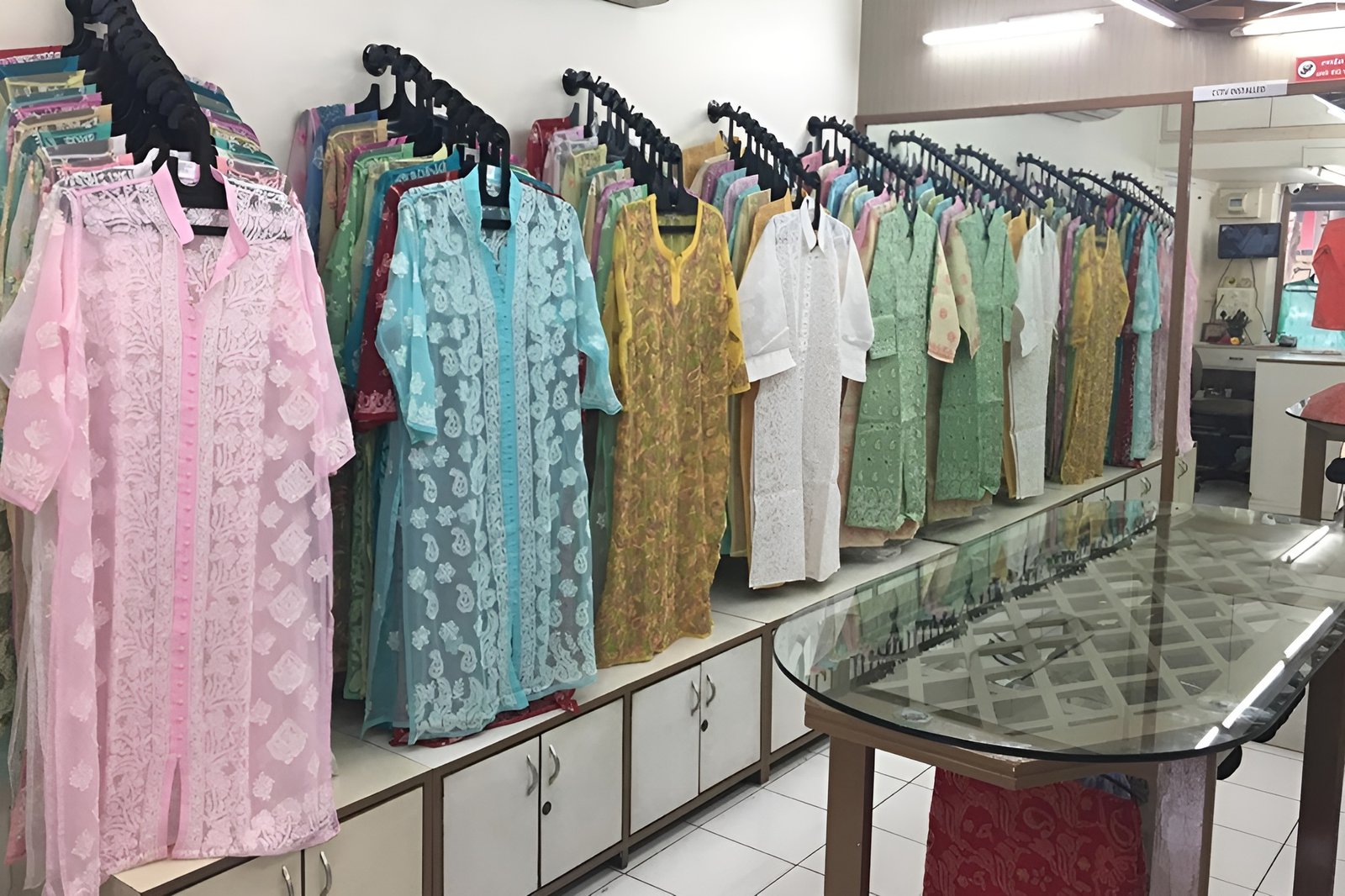
When we think of traditional Indian textiles, Chikankari evokes images of delicate white threadwork, airy fabrics, and timeless elegance. Originating from Lucknow, Chikankari has endured centuries not just for its beauty, but for how it harmonizes with the Indian climate. In a country where much of the year is hot and humid, breathability isn’t just comfort — it’s a science.
Let’s explore why Chikankari is perfect for India’s diverse weather and how its design principles align with climate comfort.
1. Lightweight Fabrics = Natural Cooling
At the heart of Chikankari is the use of light, natural fabrics such as cotton, mulmul (muslin), and chiffon — materials known for their excellent airflow.
- High air permeability: Natural fibers like cotton allow air to pass through easily, letting body heat escape and promoting evaporative cooling.
- Moisture absorption: These fabrics absorb sweat without feeling sticky, keeping skin dry and cool even in humid weather.
Unlike synthetic blends that trap heat, traditional Chikankari is inherently cool — ideal for tropical summers and balmy evenings alike.
2. Hand-Embroidered Motifs Create Micro-Ventilation
Chikankari’s signature threadwork isn’t just decorative — it contributes to the garment’s breathability. The small patterns and open stitches act as micro-vents.
- Tiny perforations: Even light embroidery creates gaps that enhance circulation.
- Natural airflow channels: This subtle air movement around the body prevents overheating and improves comfort.
Rather than heavy, dense embroidery that can block airflow, Chikankari strikes a perfect balance between art and air.
3. Optimal Fabric Weight for All Day Wear
One key advantage of Chikankari is its adaptability across seasons:
- Sheer and delicate for summer: Fabrics like muslin and fine cotton are extremely light.
- Layered for cool weather: Chikankari on silk, georgette, or linen can provide warmth while still remaining breathable.
This versatility ensures that Chikankari isn’t restricted to a season — it’s functional fashion year-round.
4. Reflective Light, Reduced Heat Absorption
Indian summers are notorious for intense sunlight and high temperatures. Chikankari’s traditional colors — whites, pastels, and soft hues — help offset heat absorption.
- Light colors reflect sunlight instead of converting it into heat.
- Soft tones keep the fabric cool even under direct sun.
In contrast, darker fabrics tend to absorb more heat, making them uncomfortable during midday heat waves.
5. Sustainable, Slow-Fashion Roots
Chikankari isn’t just breathable — it’s sustainable. Its hand-crafted nature and emphasis on natural fibers align with eco-friendly fashion philosophies.
- Minimal chemical processing reduces environmental impact.
- Craftsmanship over mass production promotes ethical labor and longevity of garments.
As climate-aware consumers increasingly seek sustainable options, Chikankari fits both environmental and thermal comfort needs.
6. Cultural Fit for Daily Life
India’s climate isn’t uniform — from the dry heat of the plains to monsoon humidity. Chikankari’s simple silhouettes and comfortable cuts make it suitable for everyday wear:
- Tunics and kurtas that allow movement and airflow
- Loose fits that don’t cling during heat and sweat
- Fabrics that stay soft and ventilated even after repeated washes
This practical wearability has helped it remain a wardrobe staple across regions and generations.
Conclusion: Tradition Meets Scientific Comfort
Chikankari is more than ornamental embroidery; it’s a climate-adaptive textile tradition. Its marriage of breathable fabric, intricate but airy embroidery, and timeless design makes it an ideal choice in a country where comfort and culture coexist.
Whether you’re dressing for summer office wear, festive occasions, or casual weekends, Chikankari remains a testament to how traditional craftsmanship continues to serve modern, climate-aware fashion needs.